Loading…
Retainer, with optional transfer
R&D Cell
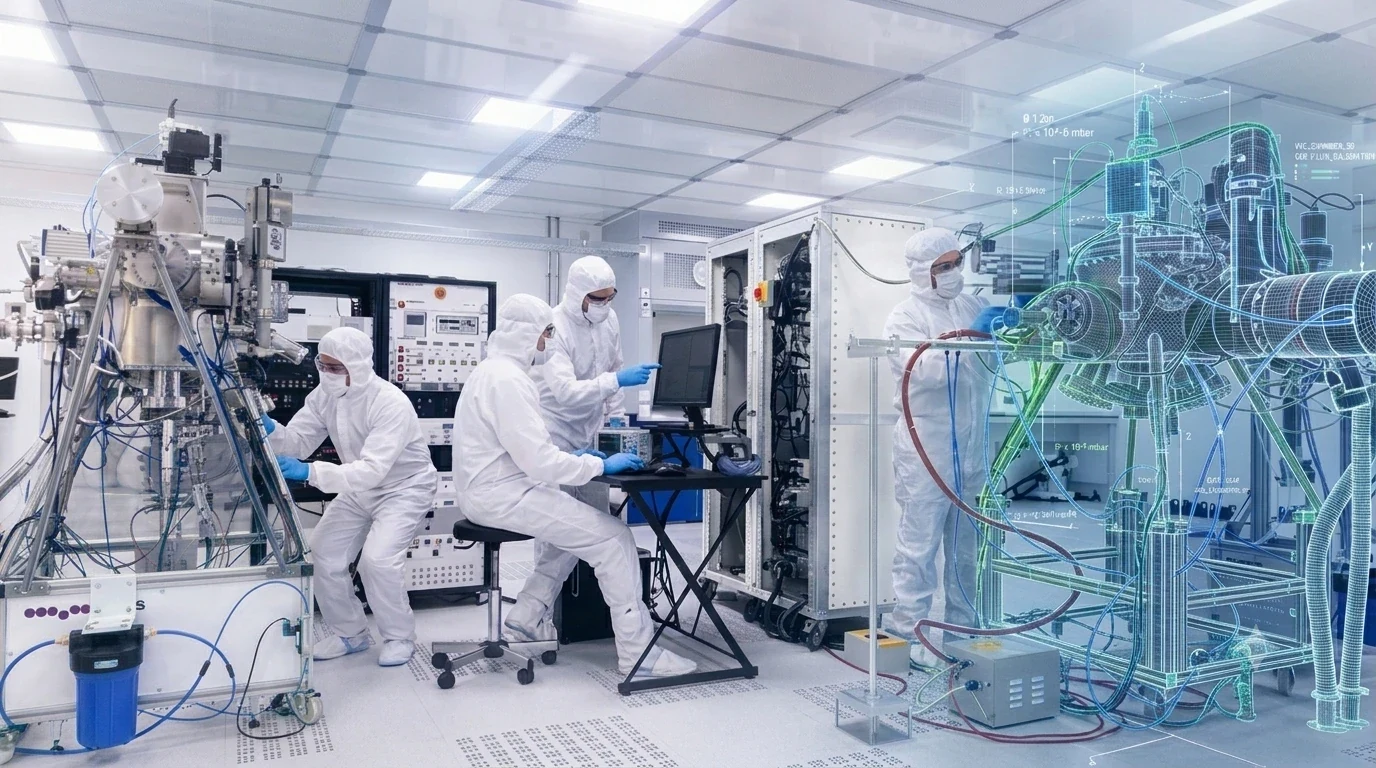
Most companies know what they should be developing. Few have the bench to do it. We set up and run a small engineering team inside your facility, working on your products, next to your machines.
What you get
- Mechanical, electronics, firmware and software on one bench
- Work and intellectual property stay on your premises
- Operated to a roadmap with stage gates and monthly review
- Structured to transfer to your own team when you choose
How it runs
- 01
Assessment
A short review establishes the two or three problems worth a bench.
- 02
Agreement
Scope, staffing, intellectual property and commercial terms in writing.
- 03
Operation
The cell runs to a roadmap with stage gates and a monthly review.
- 04
Transfer
Optional handover and training when you choose to run it yourself.
A capability, not headcount
This is not contract staffing. You are not renting engineers by the hour and managing them yourself. You are installing a managed function with its own roadmap, review rhythm and accountability for outcomes. We staff it, run it and report on it. You direct what it works on.
Why it sits inside your building
Mechanical and electronics development is iterative and physical: a fixture gets revised against the actual line, not over email. The intellectual property never leaves your premises. And your own engineers work alongside the cell, so the capability becomes yours over time whether or not you ever take the cell in-house.
What a cell works on
New product development and variants, reverse engineering and import substitution, value engineering and cost reduction, prototyping and test rigs, automating your own lines, digitising your own processes, materials and process trials, failure analysis, design for manufacture, and certification support.
How a cell is sized
A pilot cell is two or three engineers on one defined problem for three to six months, which is the usual way to start. A standard cell is five to eight engineers working to a continuous roadmap. A full lab is ten or more with instrumentation and test facilities. A shared cell spreads a fractional bench across several businesses that do not yet need a full one.
Common questions
How is this different from hiring contractors?
Contractors deliver tasks you define and manage. A cell is a managed function with its own roadmap, review cycle and accountability for outcomes.
Who owns what the cell produces?
You do. It is agreed in writing before work begins, and the work happens on your premises.
Can we take it in-house later?
Yes. Cells can be set up explicitly to transfer, with handover and training built into the plan.
How small can we start?
A pilot cell on a single problem, for three months.
We do not have a defined brief yet.
That is normal. Most cells begin with a short assessment to find the problems worth the bench.
Other ways to work with us
Solutions
License and deploy our software solutions across your sites.
Subscription, per site or per deviceProjects
Commission defined engineering work from any capability collection.
Fixed scope or milestone basedOEM Module Programs
We develop the electronics module and its programming toolchain. You manufacture, brand and sell it as a genuine part.
Development fee, per-unit terms, software licence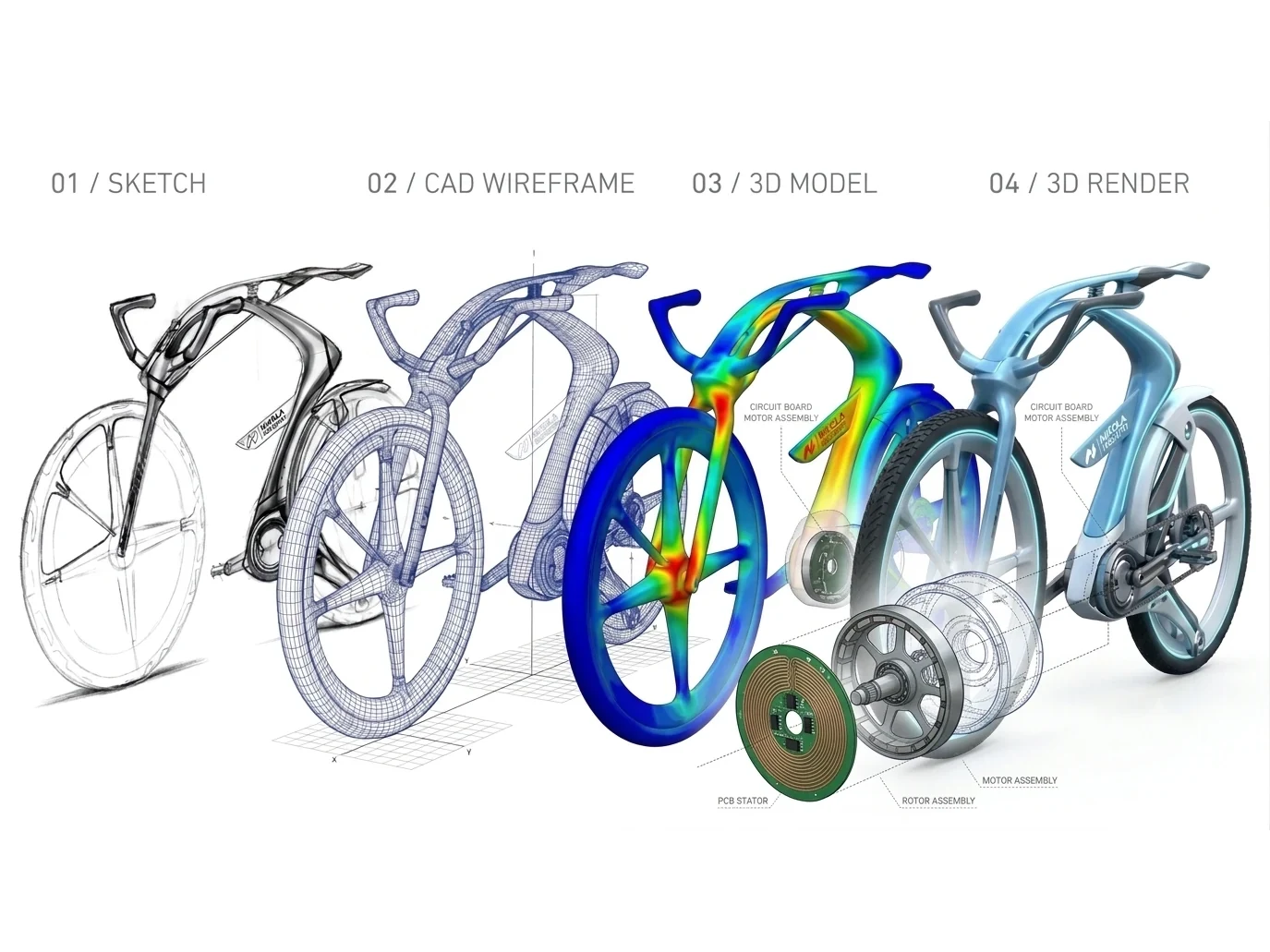


Closing call to action headline
One or two lines of supporting copy that lead into the action on the right.